 LAST BELL STUDIO
CHOOSE AN ACTIVITY
PHONICS
Early-English activities for decoding, syllable awareness, vocabulary and confident classroom practice.
Start with what the learner can already do.
Knowing a picture’s name, blending letter sounds and reading a longer word are different skills. This collection gives you three ways to practise them. Use a short activity to hear what a learner finds difficult, then choose the next step rather than increasing speed immediately.
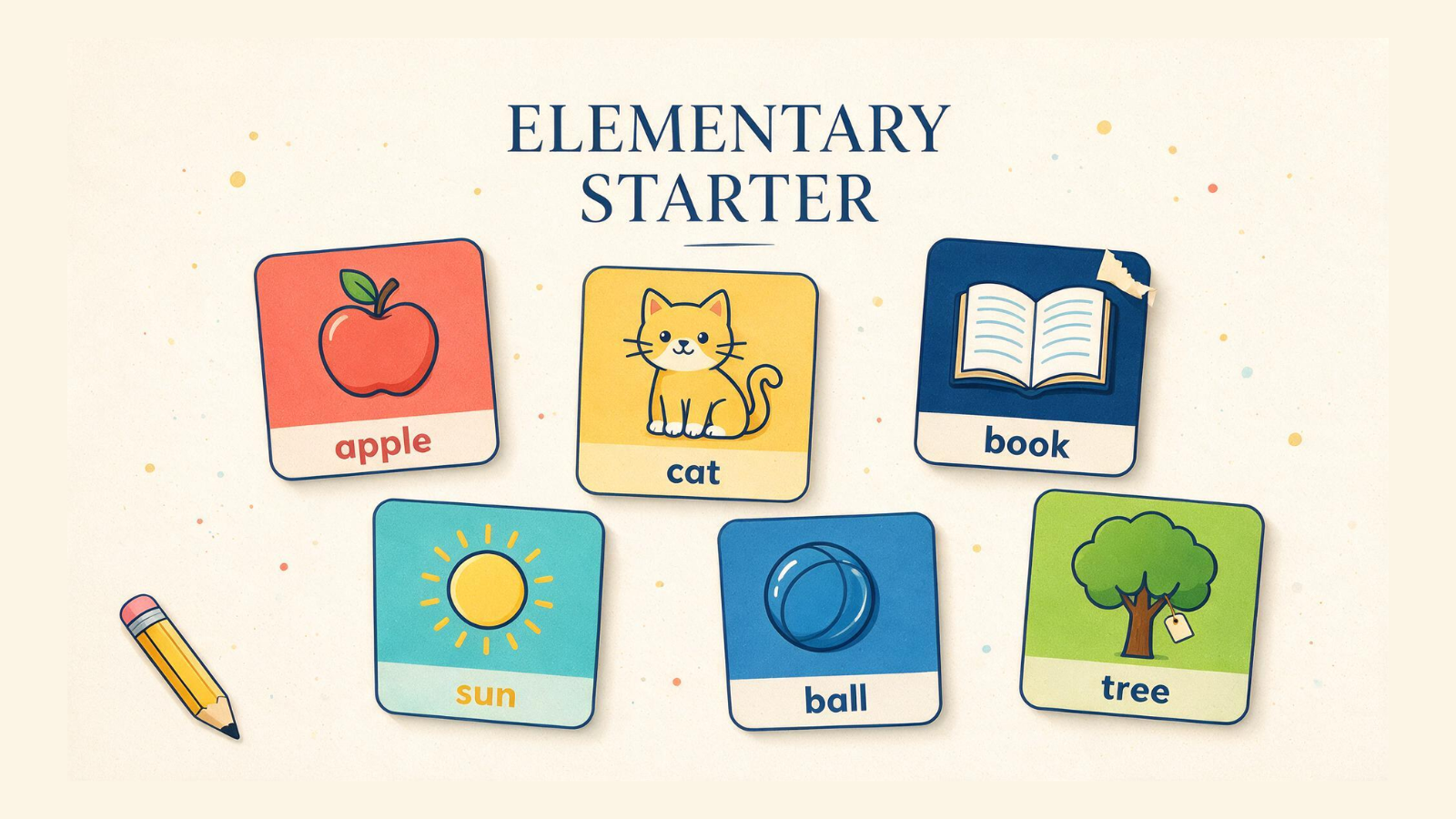
Elementary Starter
Present beginner vocabulary through pictures and words, choosing the unit and presentation order. It is a useful starting point for learners who can talk about familiar objects but are not yet ready to read every label independently.
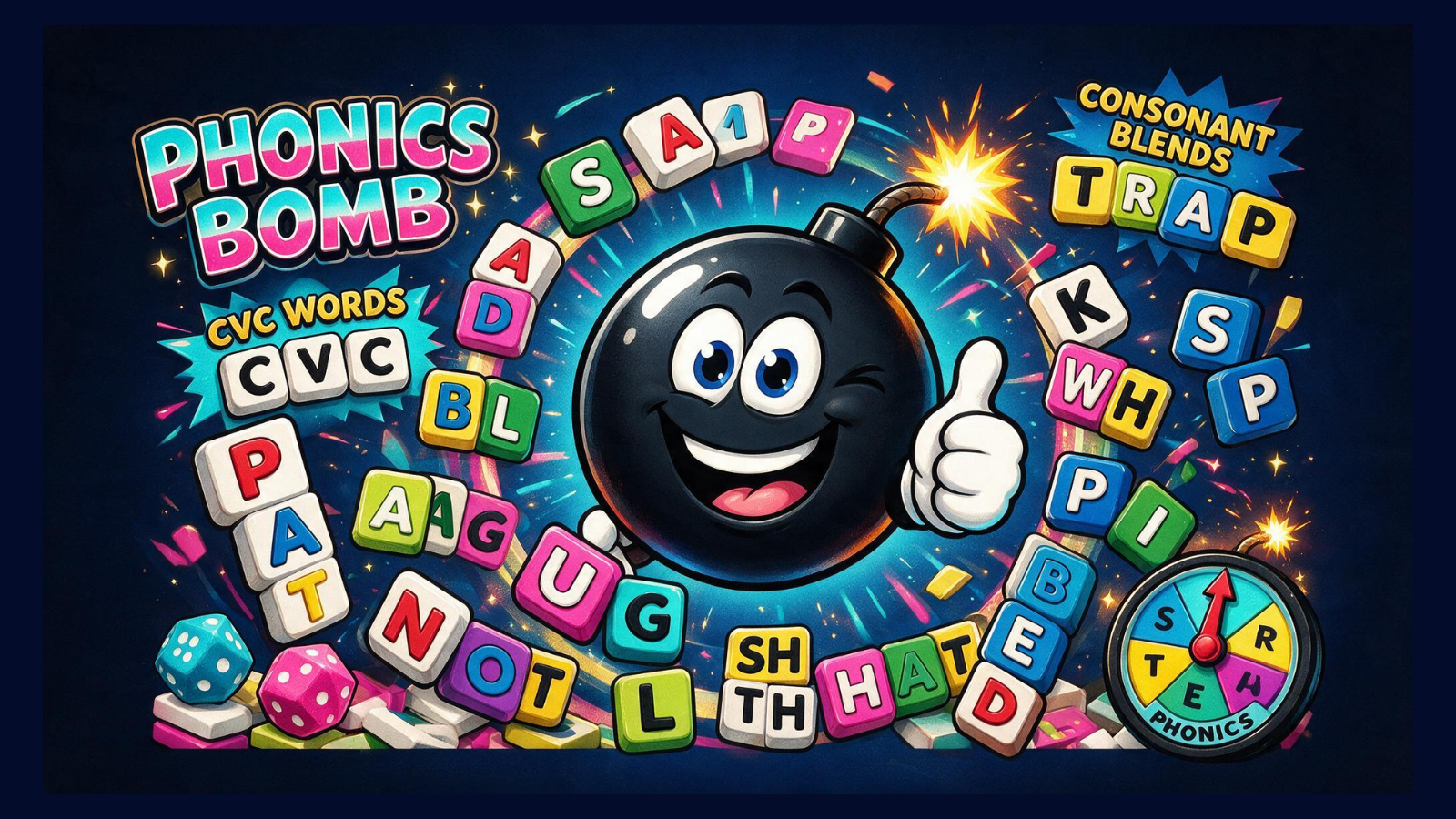
Phonics Bomb
Practise CVC words and blends in timed rounds with real and invented “monster” words. Use it after modelling the sound pattern, so the game rewards blending rather than guessing a memorised word.
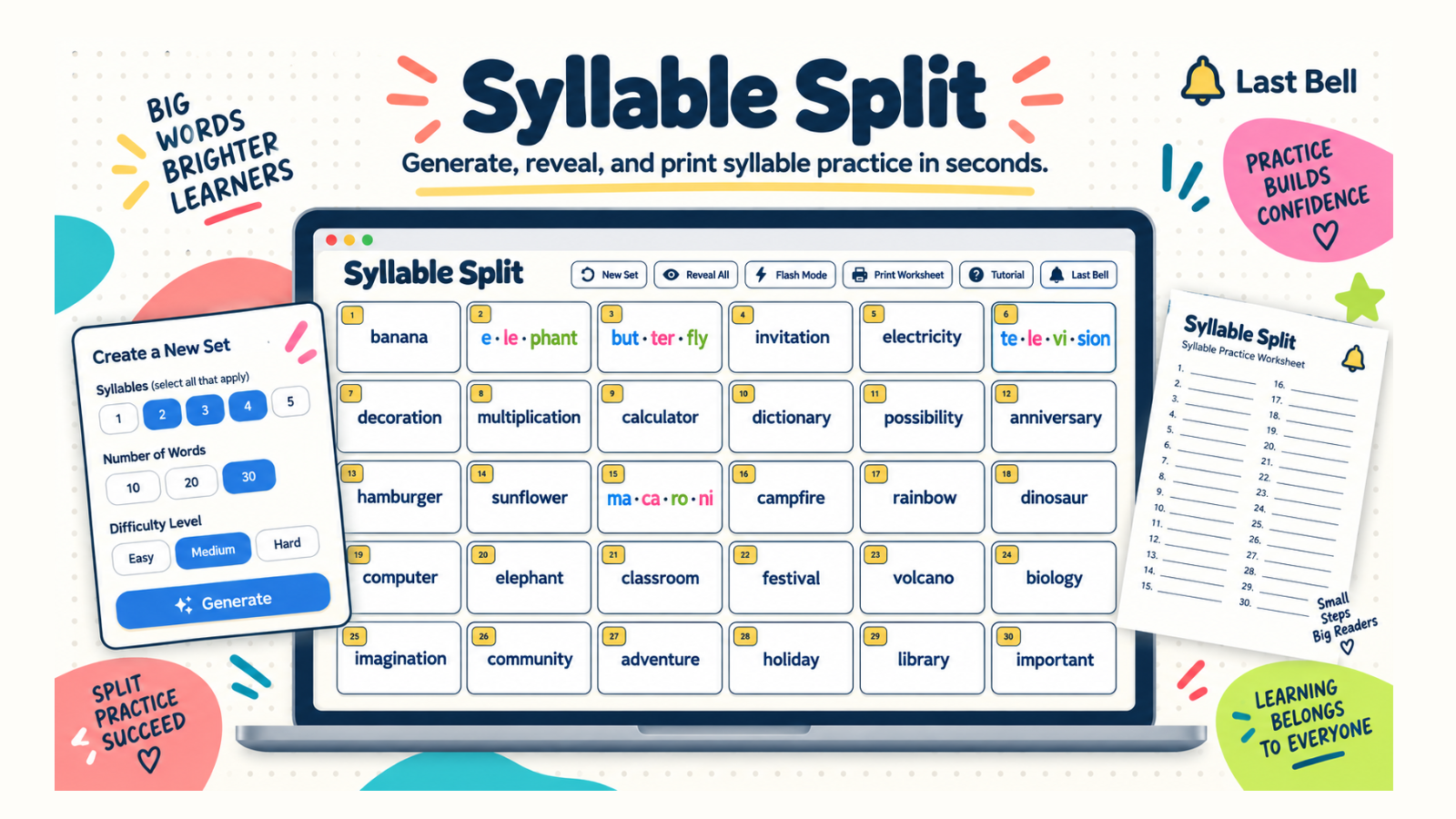
Syllable Split
Generate a word set, let learners try it and reveal the syllable divisions when you are ready. Flash Mode, worksheet printing and set export/import let you revisit the same material across screen and paper practice.
A simple practice sequence
Begin with a few familiar examples. Model the sound or word, ask for a response together, then listen to individuals. Keep the first round manageable and repeat difficult items before adding new material. A quick game is useful practice, but it does not replace explicit teaching or tell you everything about a child’s reading.
These activities can support one-to-one lessons, small groups and whole-class review. Choose the vocabulary and pace for the learners in front of you, not just their school year. Preview the app’s controls and prepare a paper response task if you want every student working while one person answers.
Choose the next step from what students can do.
Listen to a few individual responses before choosing a game. A student who can name letters may still need support blending their sounds; a student who reads familiar words may struggle to divide a longer word. Choose a small set that targets the difficulty you actually hear.
Move from a model to an independent answer.
Model one example, try another together, then ask learners to write or say an answer before revealing it. In a paired activity, change the writer so you can see both students' work. If the same error appears across teams, pause the competition and model the sound or word part again.
The listen, move, split, play routine connects dictation, a room vocabulary hunt, syllable practice and a standing review game. Choose the team dictation race when you want repeated listening and spelling practice with visible word beginnings and endings.
Check the material before projecting.
Read the selected words aloud and check their spelling, meaning and suitability for your learners. A blend board offers possible combinations; it does not mean every combination is an ordinary English word. End by revisiting a few difficult examples without the time pressure, so students leave with a corrected model.
Practice first. Play second. Build confidence fast.